Application
Epigenomics
Exploring Gene Regulation Beyond the DNA Sequence
From single-base methylation profiling to chromatin accessibility and higher-order chromatin structure, revealing the regulatory networks that shape gene expression.
Application
Exploring Gene Regulation Beyond the DNA Sequence
From single-base methylation profiling to chromatin accessibility and higher-order chromatin structure, revealing the regulatory networks that shape gene expression.
Epigenetics focuses on heritable gene expression changes that occur without altering the underlying DNA sequence. By utilizing chemical conversion (such as bisulfite or enzymatic tools), antibody-based enrichment, or transposase cleavage, NGS converts epigenetic modifications into short-read data that can be precisely quantified and mapped across the genome.
Characterize epigenetic regulation across cell differentiation, embryonic development, and aging.
Characterize epigenetic regulation across cell differentiation, embryonic development, and aging.
Identify circulating DNA methylation biomarkers for early cancer detection and liquid biopsy.
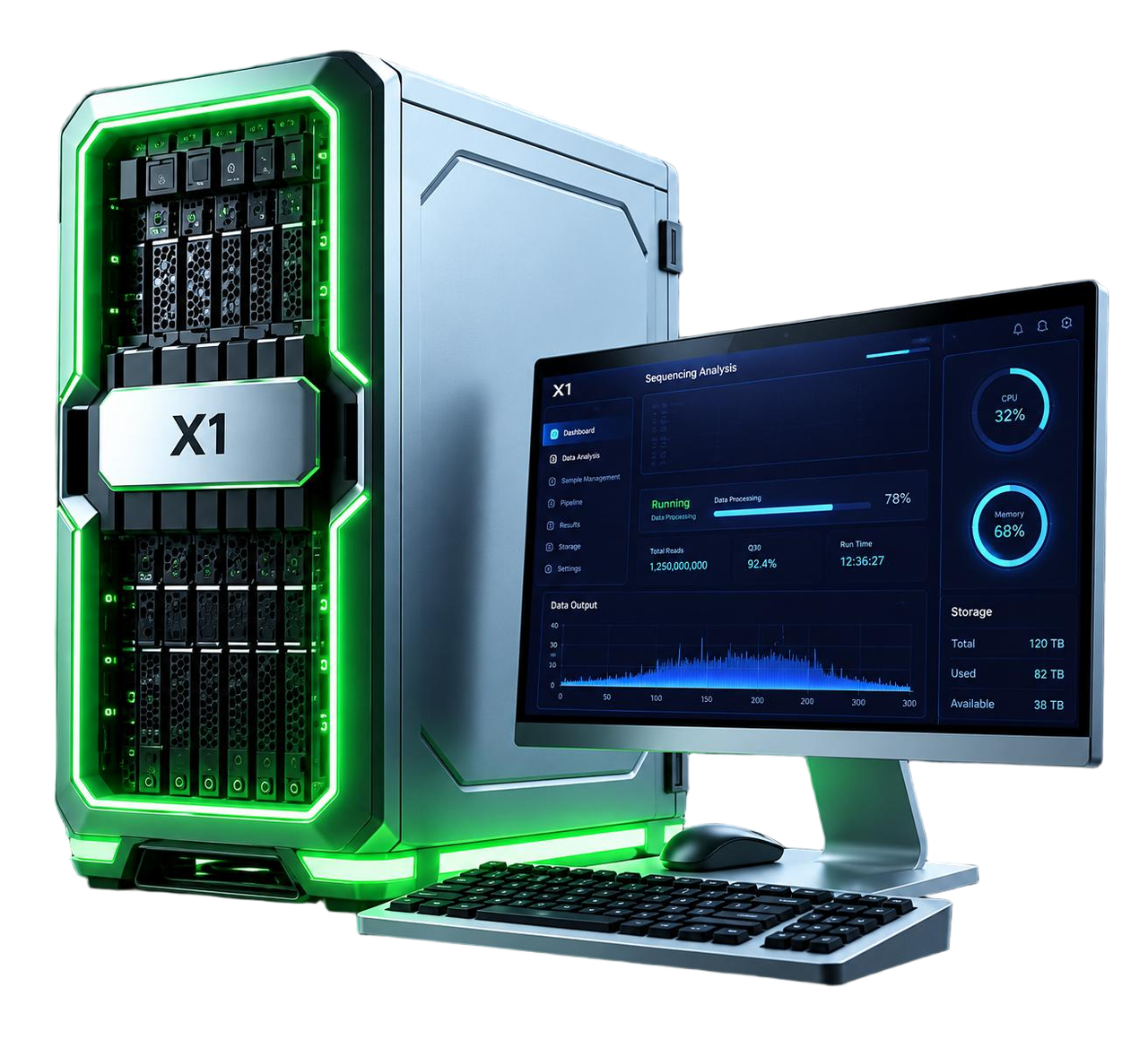
X1 Bioinformatics Workstation is an integrated bioinformatics solution, designed to streamline sequencing data analysis from raw data to application-ready reports. Featuring flexible hardware configurations and pre-built bioinformatics pipelines, it delivers plug-and-run, end-to-end data analysis for diverse laboratory throughput needs.
X1 requires no complicated deployment or professional bioinformatics setup, allowing one-click standardized analysis to cut hands-on work, shorten turnaround time, boost data security and deliver actionable sequencing results faster.
Supports multiple bioinformatics plugins for a wide range of analysis applications.

Runs reliably offline to help keep sensitive data secure and private.

No complex command-line operations required, enabling streamlined analysis with minimal training.

Real-time memory and storage monitoring with early warnings to help prevent capacity issues.
01
DNA methylation (e.g., 5mC and 5hmC) is a fundamental epigenetic mechanism. Cygnus sequencing platforms support methylation profiling workflows including Whole-Genome Enzymatic/Bisulfite Sequencing (EM-seq/WGBS) and cost-effective Reduced Representation Bisulfite Sequencing (RRBS).
Extract high-quality genomic DNA and fragment it mechanically or enzymatically.
3. Bisulfite Conversion (WGBS/RRBS) Convert unmethylated cytosines (C) to uracil (U), while methylated cytosines remain unchanged.
4. Enzymatic Conversion (EM-seq) Use specific combinations of enzymes to selectively protect methylated bases, avoiding the extensive DNA degradation associated with conventional bisulfite treatment and enabling higher-quality library construction.
Construct libraries with NGS adapters. Following PCR amplification, all uracil bases are converted to thymine (T).
Perform high-depth paired-end sequencing. Determine the methylation level at each cytosine site by analyzing the proportion of C-to-T conversion.
Accurately profiles methylation at individual cytosine sites.
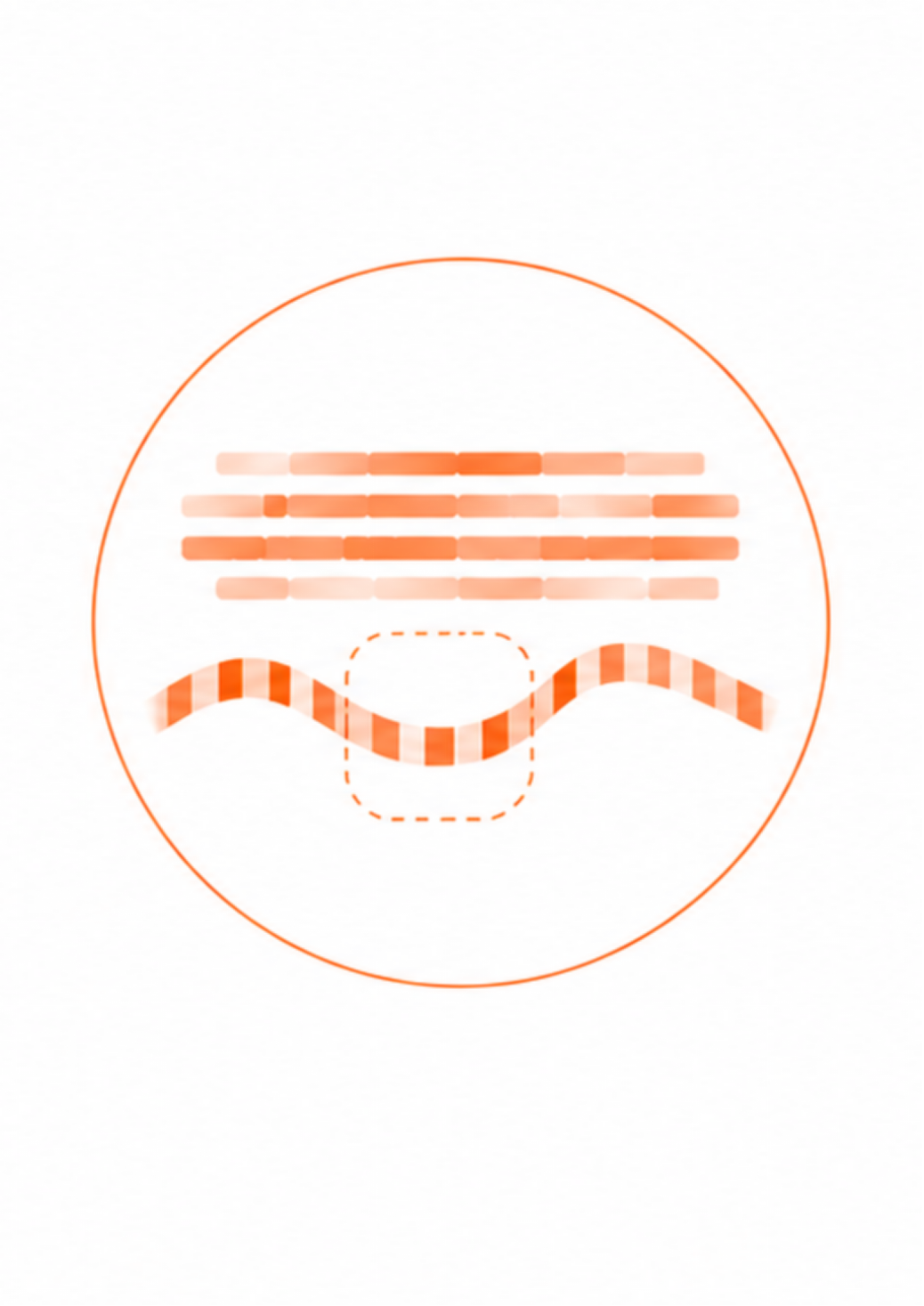
EM-seq improves coverage uniformity in high-GC regions, providing more representative methylation profiles.
02
ChIP-seq and CUT&Tag are established methods for studying protein-DNA interactions. They enable precise genome-wide mapping of transcription factor binding sites and regions containing histone modifications associated with gene activation or silencing.
Cells are cross-linked with formaldehyde, followed by sonication and antibody-based immunoprecipitation of protein-DNA complexes. After reverse cross-linking and DNA purification, libraries are prepared for NGS.
Target proteins in native cells or nuclei are recognized by specific antibodies, followed by pA-Tn5 recruitment for in situ tagmentation and adapter insertion. DNA is then extracted, amplified, and sequenced, streamlining the workflow and reducing cell input requirements.
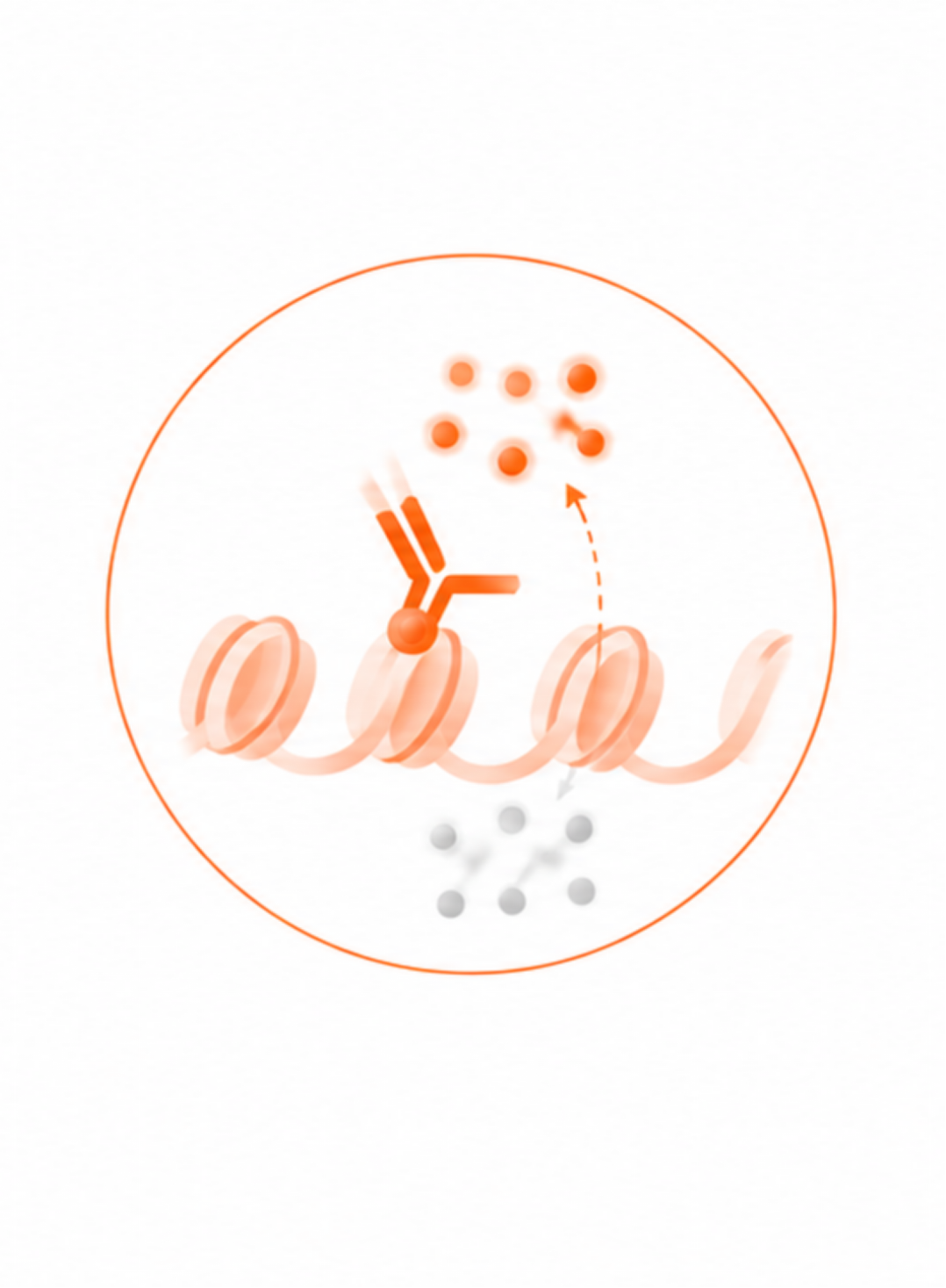
CUT&Tag provides extremely low background noise and requires less sequencing depth.
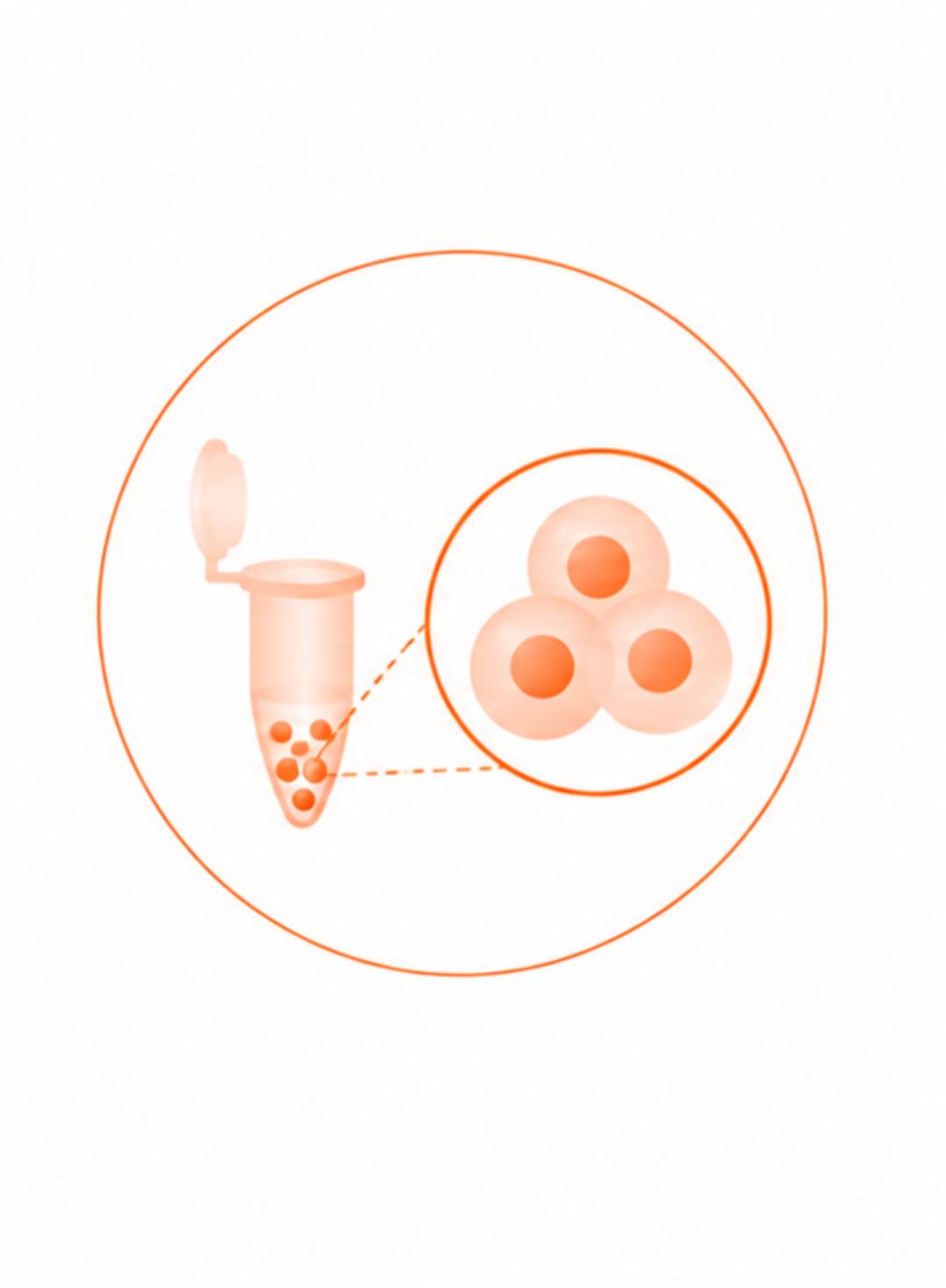
CUT&Tag overcomes the requirement for millions of cells in conventional ChIP-seq, making it highly suitable for low-input samples or clinical specimens.
03
ATAC-seq (Assay for Transposase-Accessible Chromatin with high-throughput sequencing) identifies regions of the genome that are in an open, accessible, and active chromatin state. This enables rapid identification of potential cis-regulatory elements, such as promoters and enhancers, as well as transcriptionally active regions.
Gently lyse cells and collect intact nuclei.
Add highly active engineered Tn5 transposase. The transposase preferentially accesses exposed DNA within open chromatin regions, cleaving the DNA and simultaneously adding NGS adapters to both ends. DNA within tightly packed, inaccessible chromatin regions is not readily accessed.
Extract transposase-cleaved, adapter-ligated DNA fragments and perform PCR amplification.
Perform high-throughput paired-end sequencing and identify genome-wide accessible chromatin sites based on enriched read peaks.
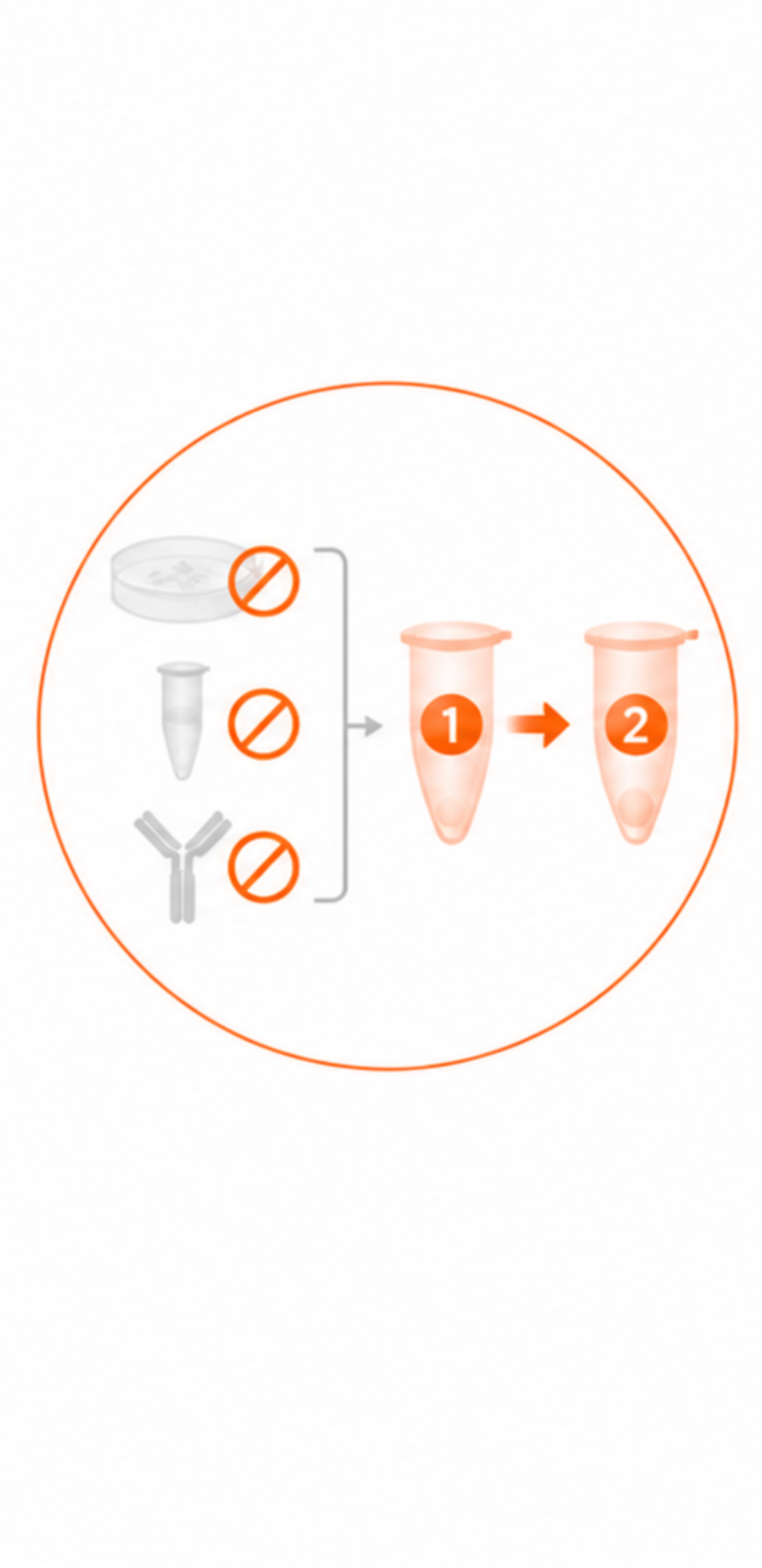
No fixation, sonication, or antibody enrichment is required, allowing the core library preparation process to be completed in two steps.
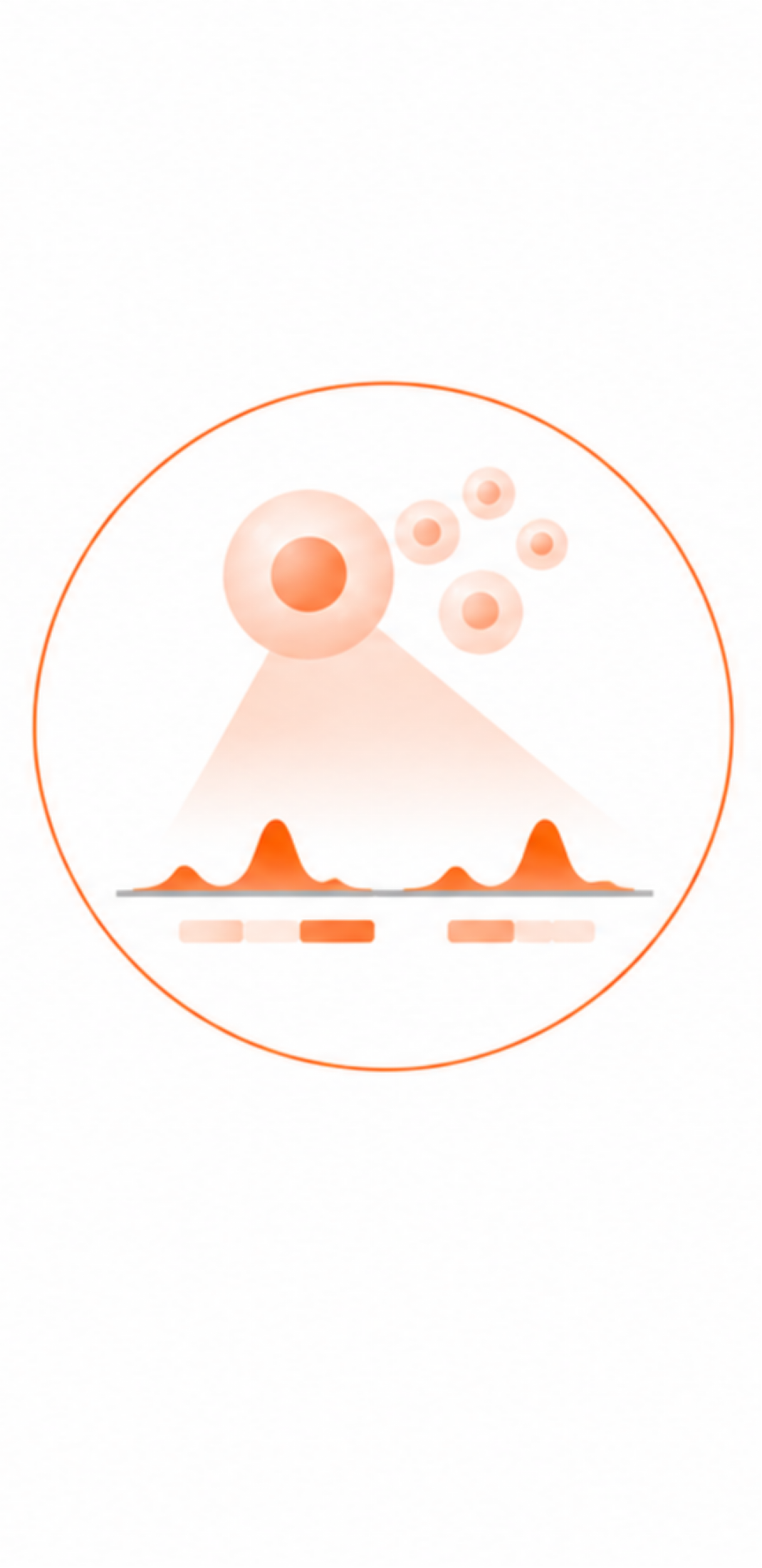
Using only a small number of cells, such as 50,000 cells, rapidly generate a genome-wide view of active regulatory regions.
04
Hi-C sequencing goes beyond the traditional linear view of the genome. Using proximity ligation, Hi-C captures the three-dimensional conformation and interactions of chromatin within the nucleus, enabling investigation of spatially specific communication between distal regulatory elements, such as enhancers, and their target promoters.
Fix cells with formaldehyde to preserve chromatin fragments that are spatially proximal.
Digest DNA using restriction enzymes such as DpnII or MboI.
Fill in DNA ends and introduce biotin labels, followed by ligation under dilute conditions to join spatially proximal DNA fragments.
Extract and fragment DNA, selectively enrich biotin-labeled cross-linked sites using streptavidin magnetic beads, construct NGS libraries, and perform high-throughput paired-end sequencing (PE150).
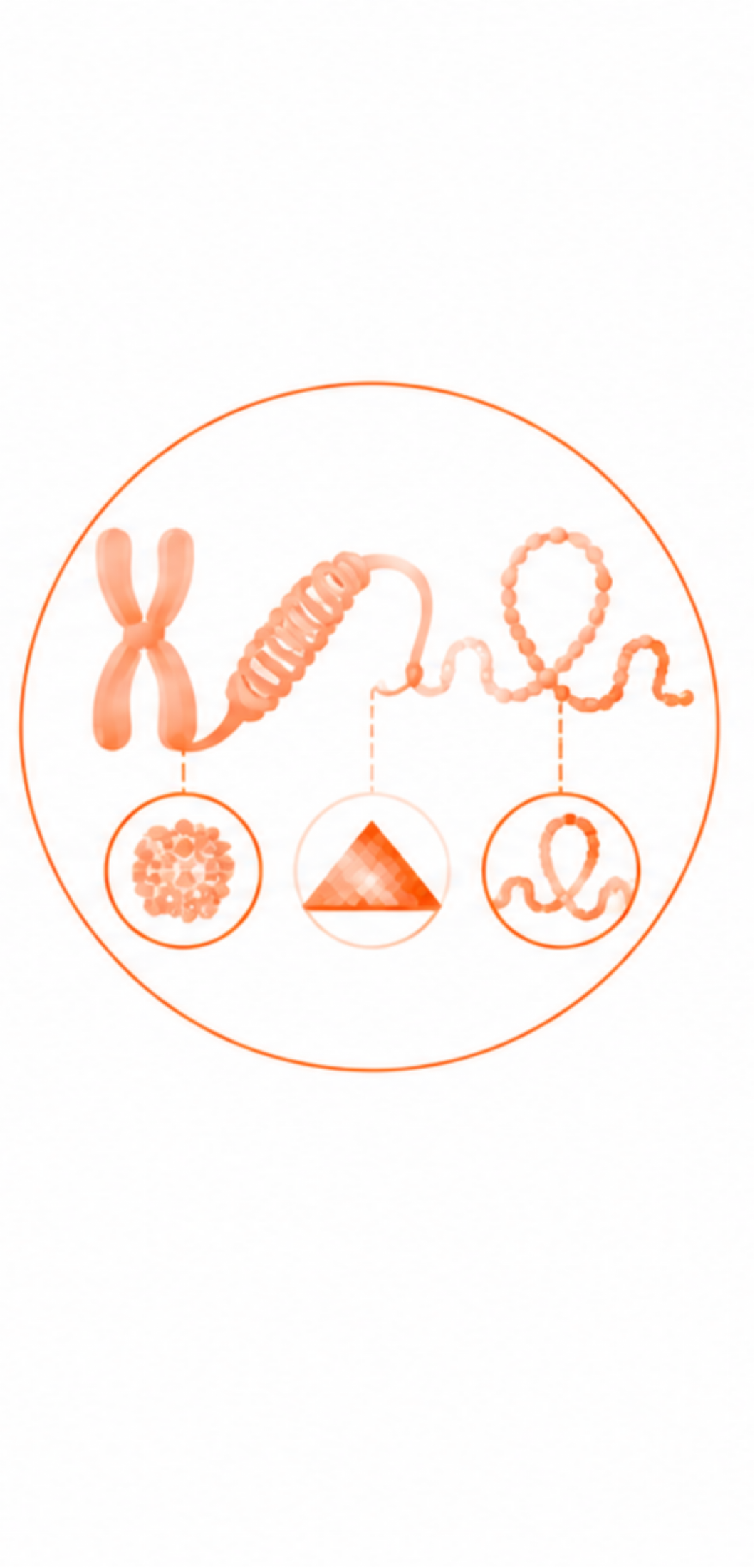
Characterizes genome organization from chromosome territories and TADs to chromatin loops.
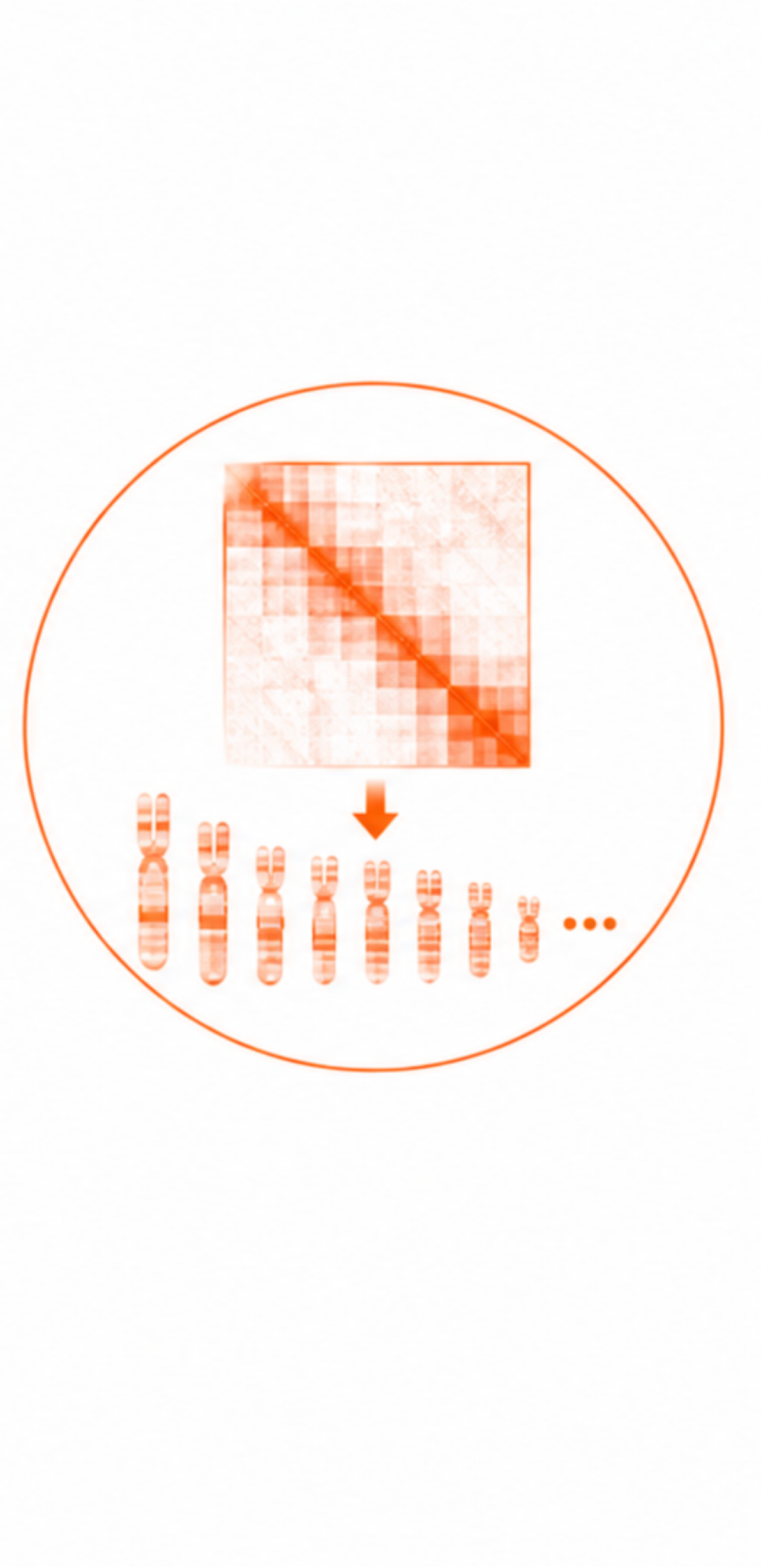
Uses chromatin contact frequencies to scaffold de novo assemblies and enable accurate chromosome-level positioning.