Application
DNA Sequencing
Explore the Genome. Uncover New Insights.
High-throughput NGS platforms deliver the depth and accuracy needed for applications from genome analysis to targeted sequencing.

Application
Explore the Genome. Uncover New Insights.
High-throughput NGS platforms deliver the depth and accuracy needed for applications from genome analysis to targeted sequencing.
NGS-based DNA sequencing generates millions of short reads in parallel to decode genetic information at scale. By aligning sequencing reads to a reference genome or assembling them de novo, it enables accurate identification of genetic variation across targeted regions, exomes, and whole genomes.
Detect pathogenic variants associated with rare diseases, somatic mutations in cancer, and genetic susceptibility to complex diseases.
Analyze genetic diversity, phylogenetic relationships, and evolutionary history across geographically distinct populations and species.
Identify molecular markers, such as SNPs, associated with desirable traits including high yield and stress resistance, accelerating breeding programs for crops and livestock.
Rapidly identify pathogenic microorganisms in environmental or clinical samples and track emerging variants.
High-quality sequencing data enables reliable detection of low-frequency variants.
Stable,uniform coverage across whole genome.
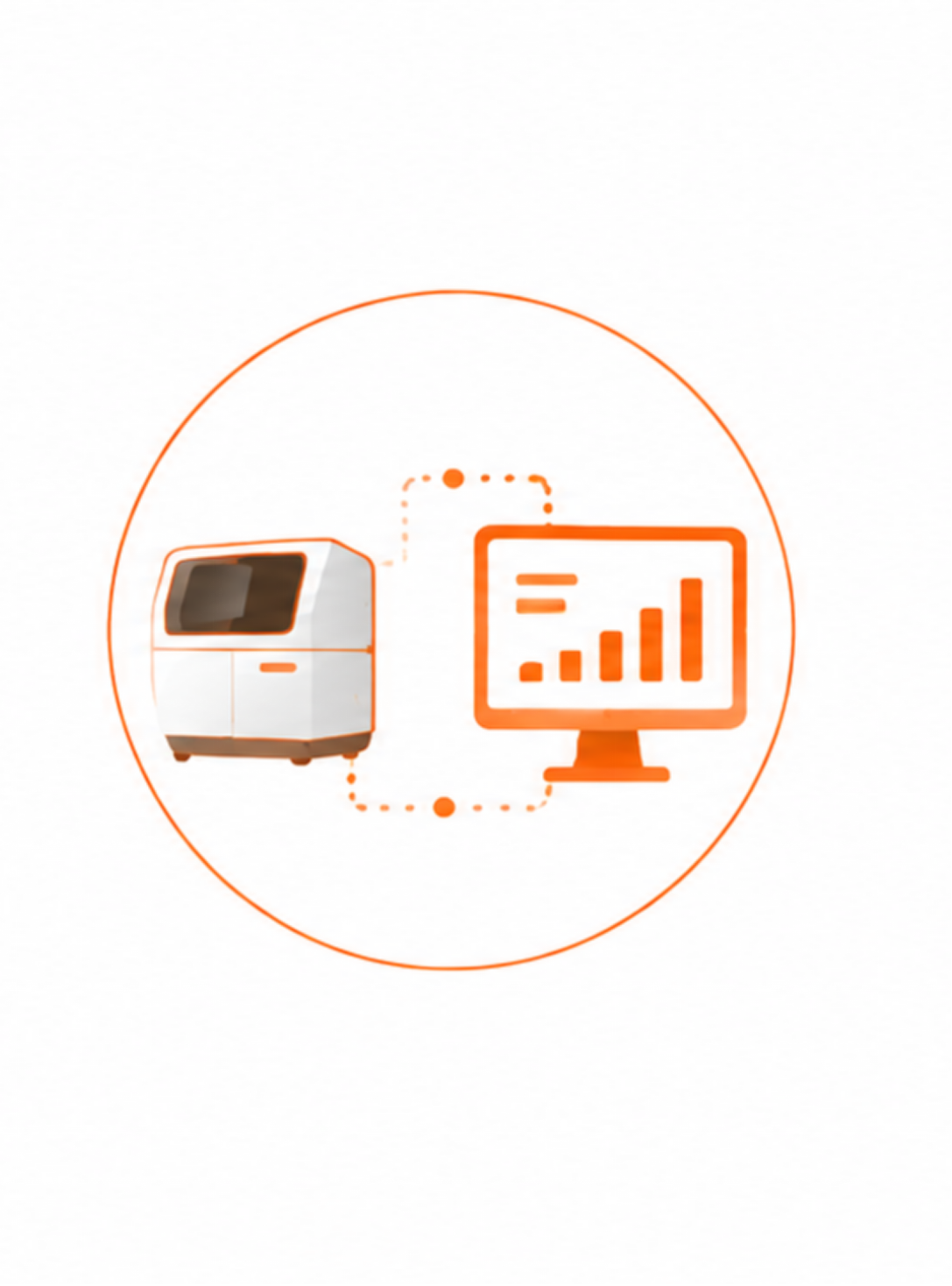
Paired with the CYGNUS X1 Bioinformatics Workstation for fast, streamlined data analysis.
X1 Bioinformatics Workstation is an integrated bioinformatics solution, designed to streamline sequencing data analysis from raw data to application-ready reports. Featuring flexible hardware configurations and pre-built bioinformatics pipelines, it delivers plug-and-run, end-to-end data analysis for diverse laboratory throughput needs.
X1 requires no complicated deployment or professional bioinformatics setup, allowing one-click standardized analysis to cut hands-on work, shorten turnaround time, boost data security and deliver actionable sequencing results faster.
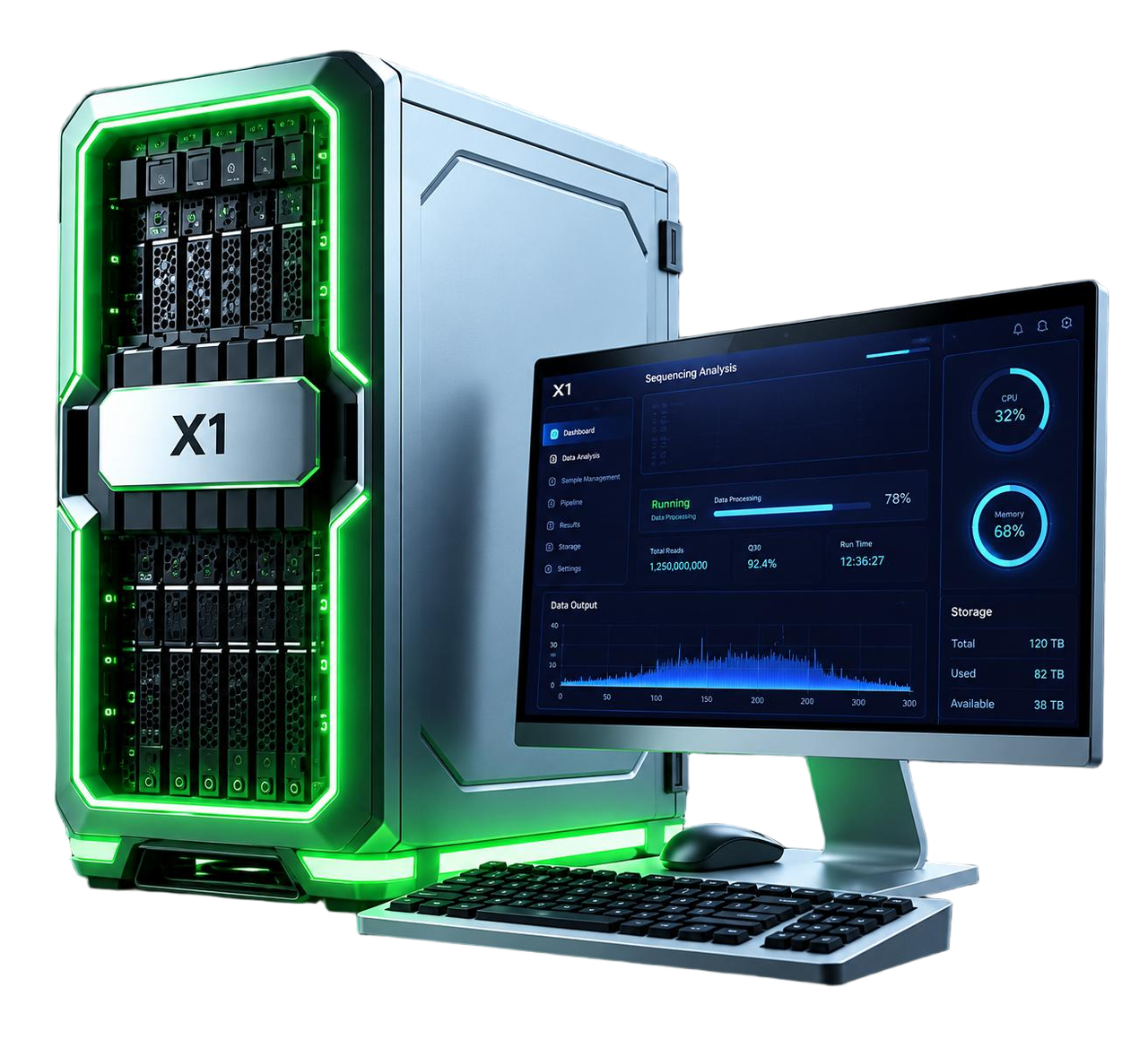
Supports multiple bioinformatics plugins for a wide range of analysis applications.

Runs reliably offline to help keep sensitive data secure and private.
No complex command-line operations required, enabling streamlined analysis with minimal training.
Real-time memory and storage monitoring with early warnings to help prevent capacity issues.
01
Whole-genome resequencing involves sequencing the entire genomes of individuals or populations from species that have an existing reference genome. Through high-throughput comparative analysis, it enables genome-wide screening of genetic variation.
Extract high-quality genomic DNA (gDNA).
Fragment DNA into defined lengths, typically 300–500 bp, using mechanical methods such as sonication or enzymatic fragmentation. Sequencing adapters and sample-specific molecular tags are then added to both ends of the DNA fragments.
Load the prepared libraries onto the sequencing flow cell for sequencing.
Map the generated short reads to a known reference genome to identify genetic variants.
No preselection of target regions is required, enabling comprehensive genome-wide coverage without missing information from intronic, regulatory, or non-coding regions.
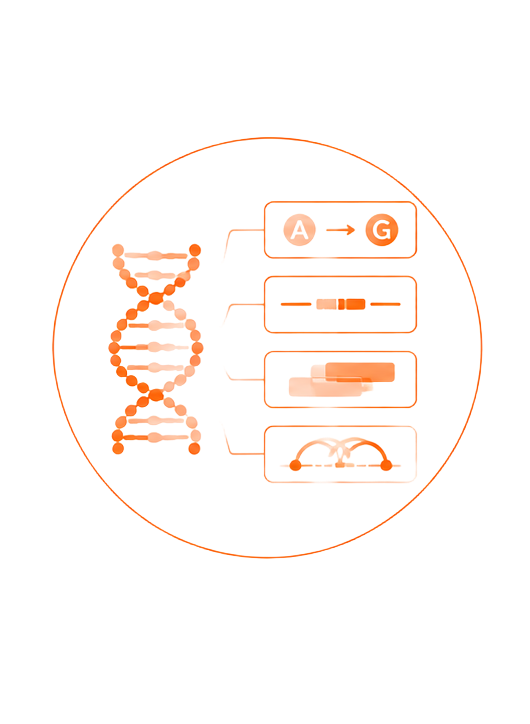
Efficiently detect multiple types of genetic variation, including single nucleotide polymorphisms (SNPs), insertions and deletions (InDels), copy number variations (CNVs), and complex structural variations (SVs).

Well suited for population genetics, genome-wide association studies (GWAS), and genetic map construction for newly characterized species.
02
Targeted sequencing enriches specific genomic regions using custom probes or amplicon-based methods, enabling high-depth sequencing of targets such as disease-associated gene panels or protein-coding exons.
Fragment DNA and ligate universal sequencing adapters.
A. Hybrid Capture Mix the library with designed biotin-labeled probes. Hybridize the probes to complementary target DNA regions. Capture the target fragments with magnetic beads and wash away non-target fragments.
B. Amplicon Enrichment Use target-specific primers to perform multiplex PCR amplification of selected regions.
Perform concentrated sequencing of the enriched target-fragment libraries.
Conduct highly accurate variant screening within specific genomic regions.
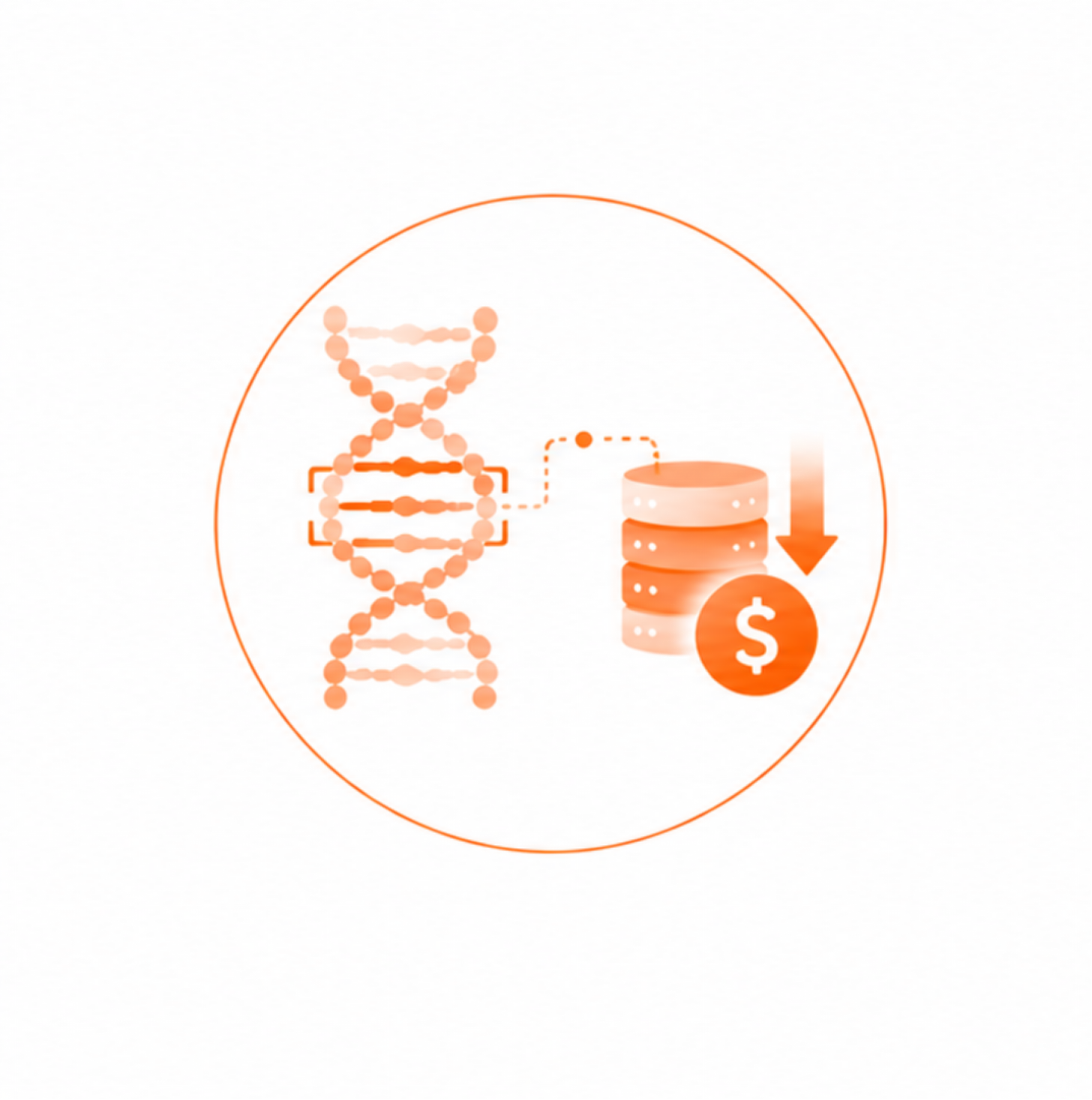
Focus sequencing on core functional regions representing only ~1–2% of the genome, such as those covered by WES, significantly reducing per-sample sequencing costs.
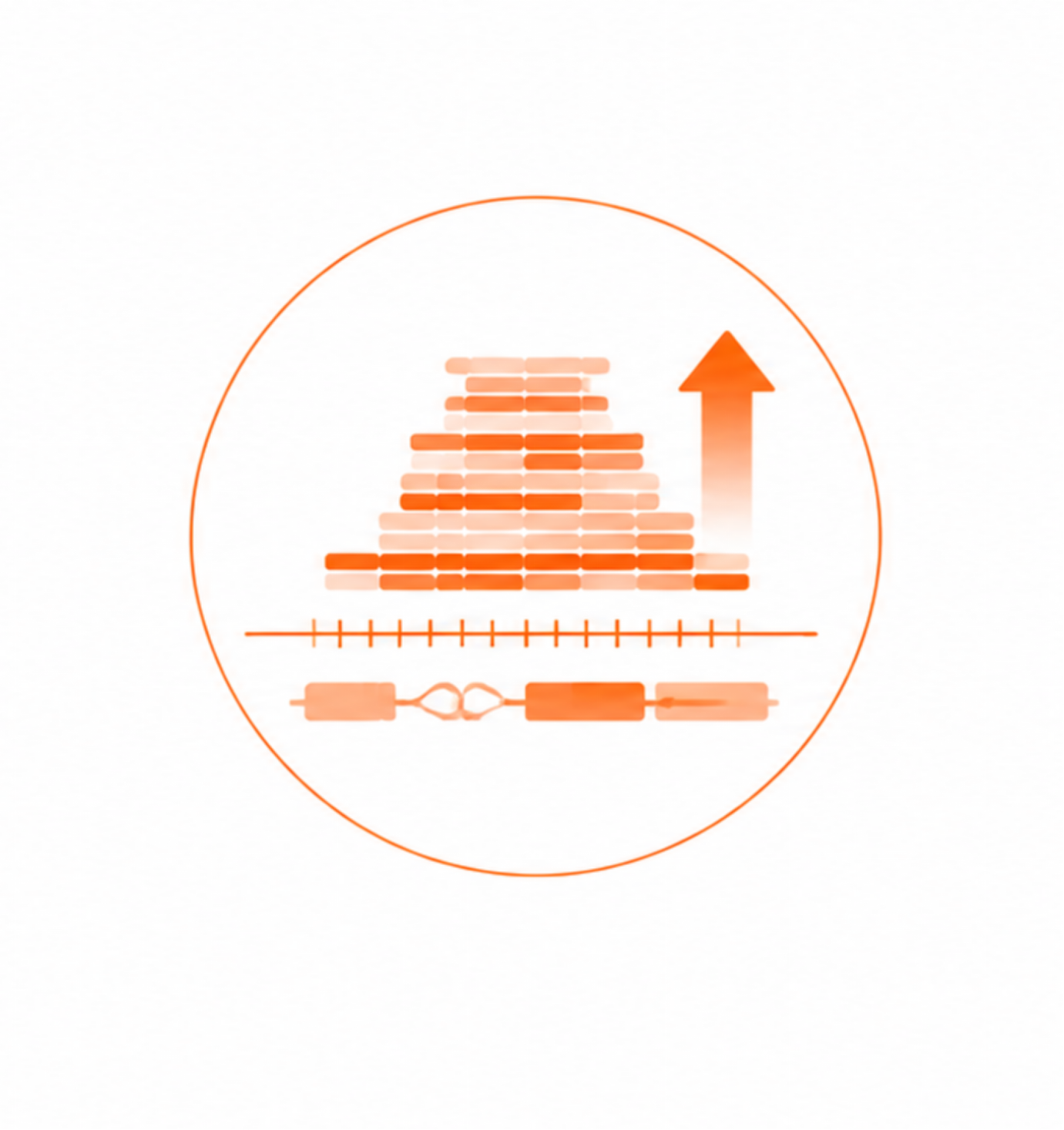
Achieve 100×, 500×, or even >10,000× coverage, enabling ultra-deep analysis that would be cost-prohibitive with whole-genome sequencing.
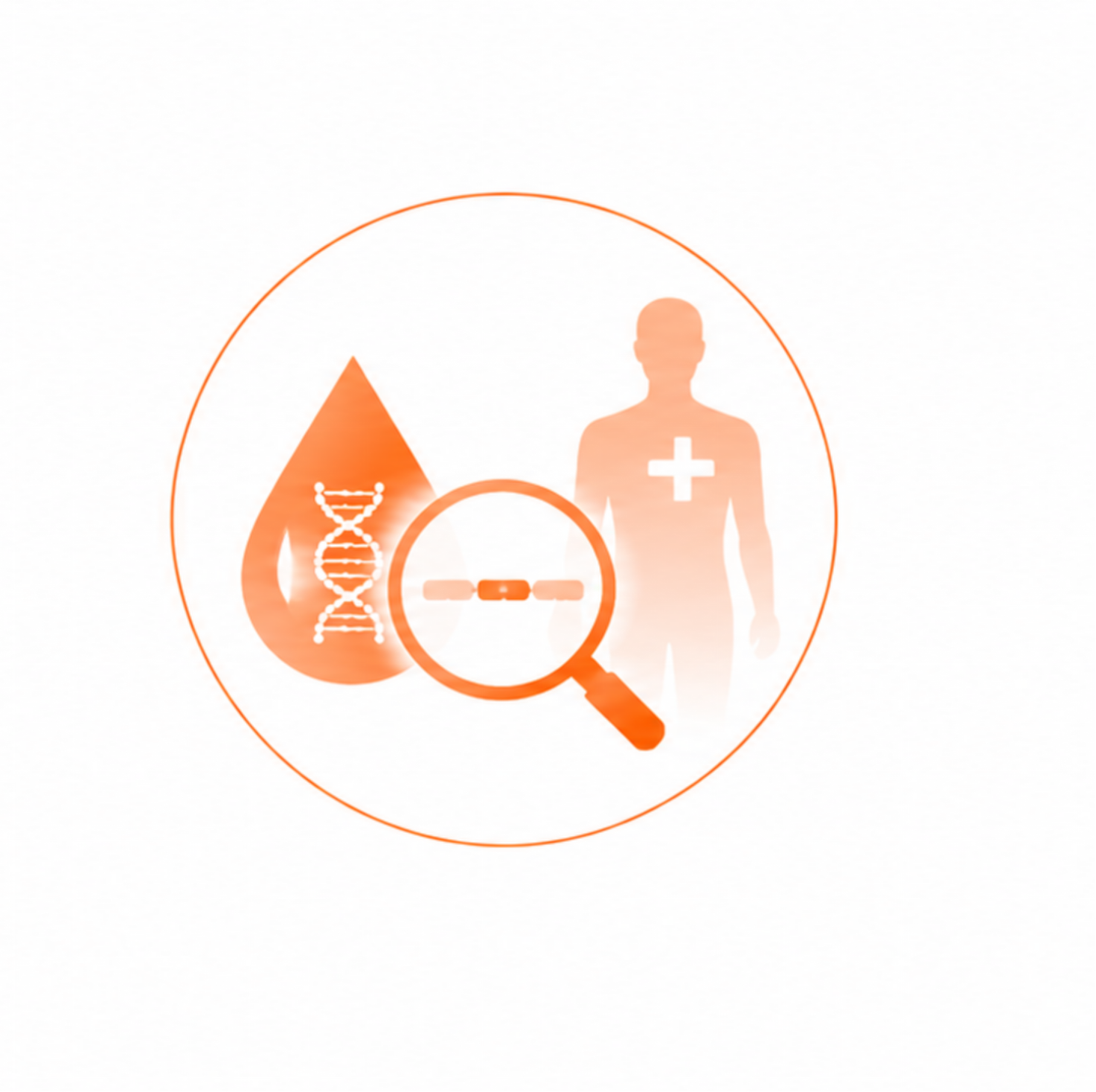
High-depth sequencing enables accurate detection of variants at frequencies as low as 0.1% in liquid biopsy (ctDNA) samples and other low-frequency somatic variants.
03
Low-pass whole-genome sequencing performs genome-wide sequencing at relatively low coverage, typically 0.5×–4×. It can provide information on genome-wide copy number variations and, through genotype imputation algorithms combined with large haplotype reference datasets, infer unobserved genetic variants with high accuracy.
Use highly automated, low-cost library preparation methods to rapidly convert large numbers of DNA samples into sequencing-ready libraries.
Pool hundreds of samples within a single sequencing lane, allocating only a small amount of sequencing data to each sample, such as approximately 1× coverage.
Genotype imputation uses population reference databases and linkage disequilibrium patterns to infer unobserved variants from low-coverage sequencing data.
Eliminates predefined probe constraints, enabling novel variant discovery with higher throughput.

Delivers genome-wide variant profiles at low per-sample sequencing cost, ideal for large-scale studies.
Supports marker-assisted breeding in plants and animals, as well as large-scale human population genetics studies.